

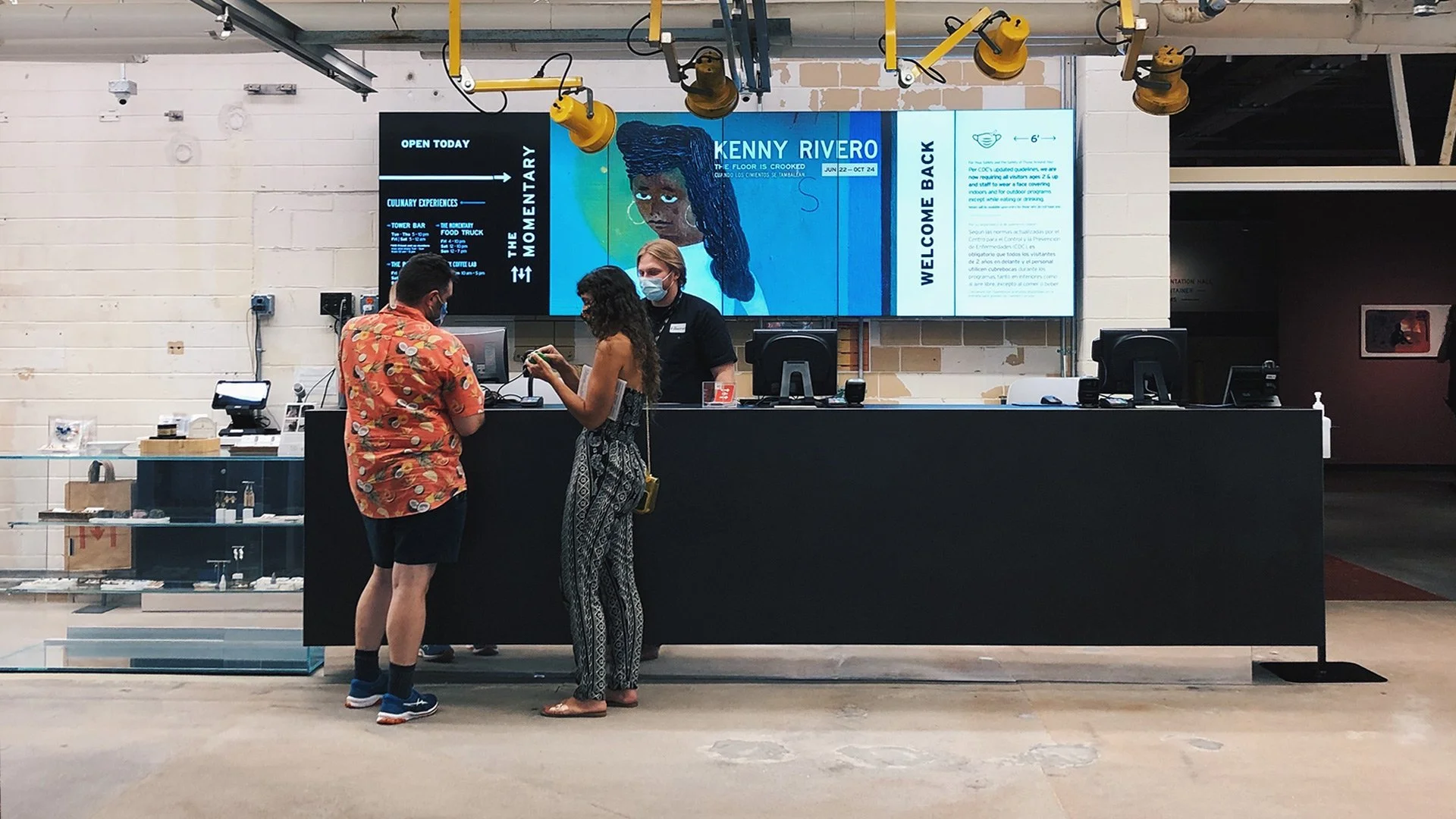
Arkansas' premier cultural destination leaned on tech to accomplish several strategic goals during the pandemic.
A MOBILE-FIRST DIGITAL WALLET TICKETING SOLUTION
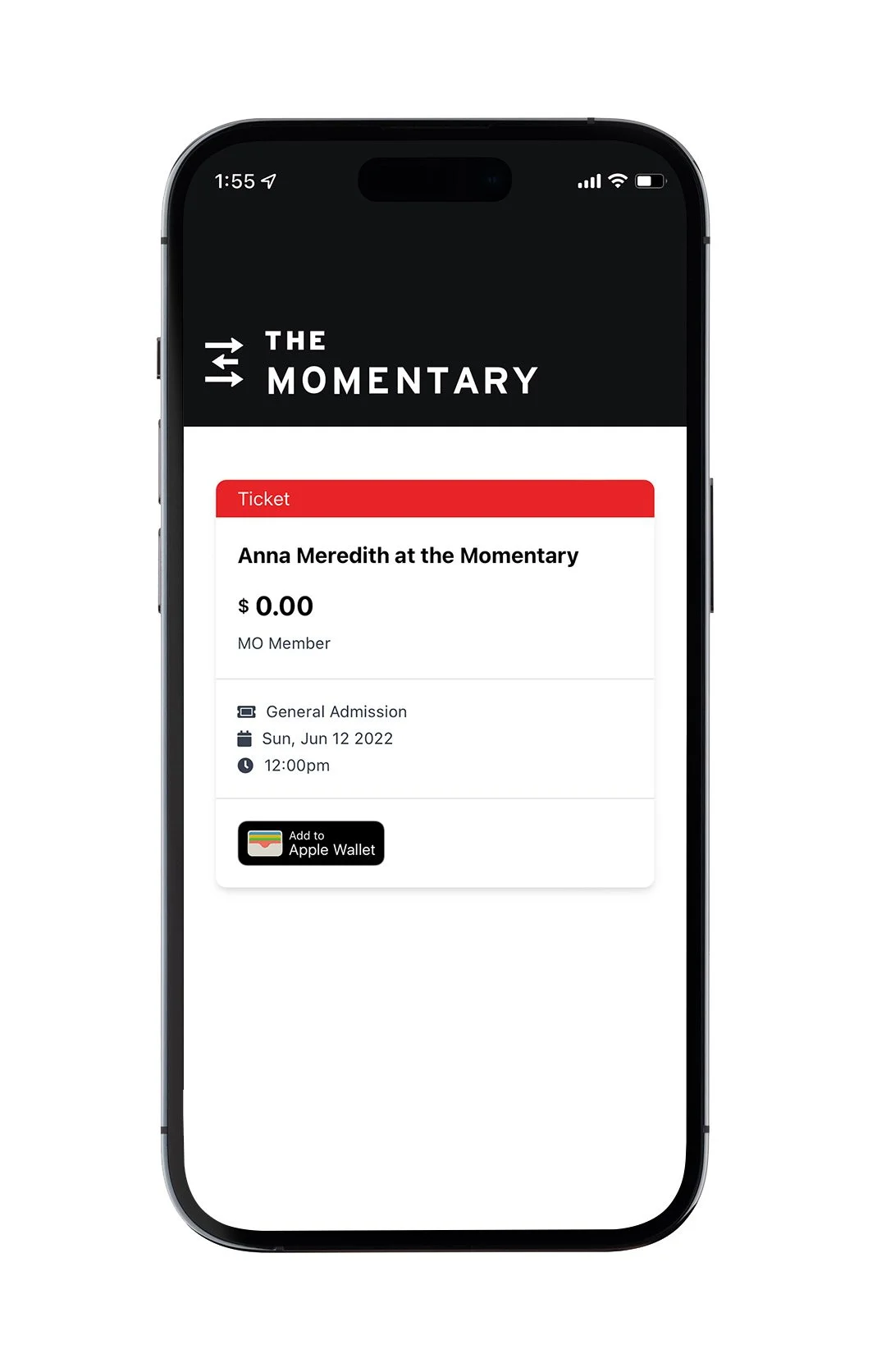
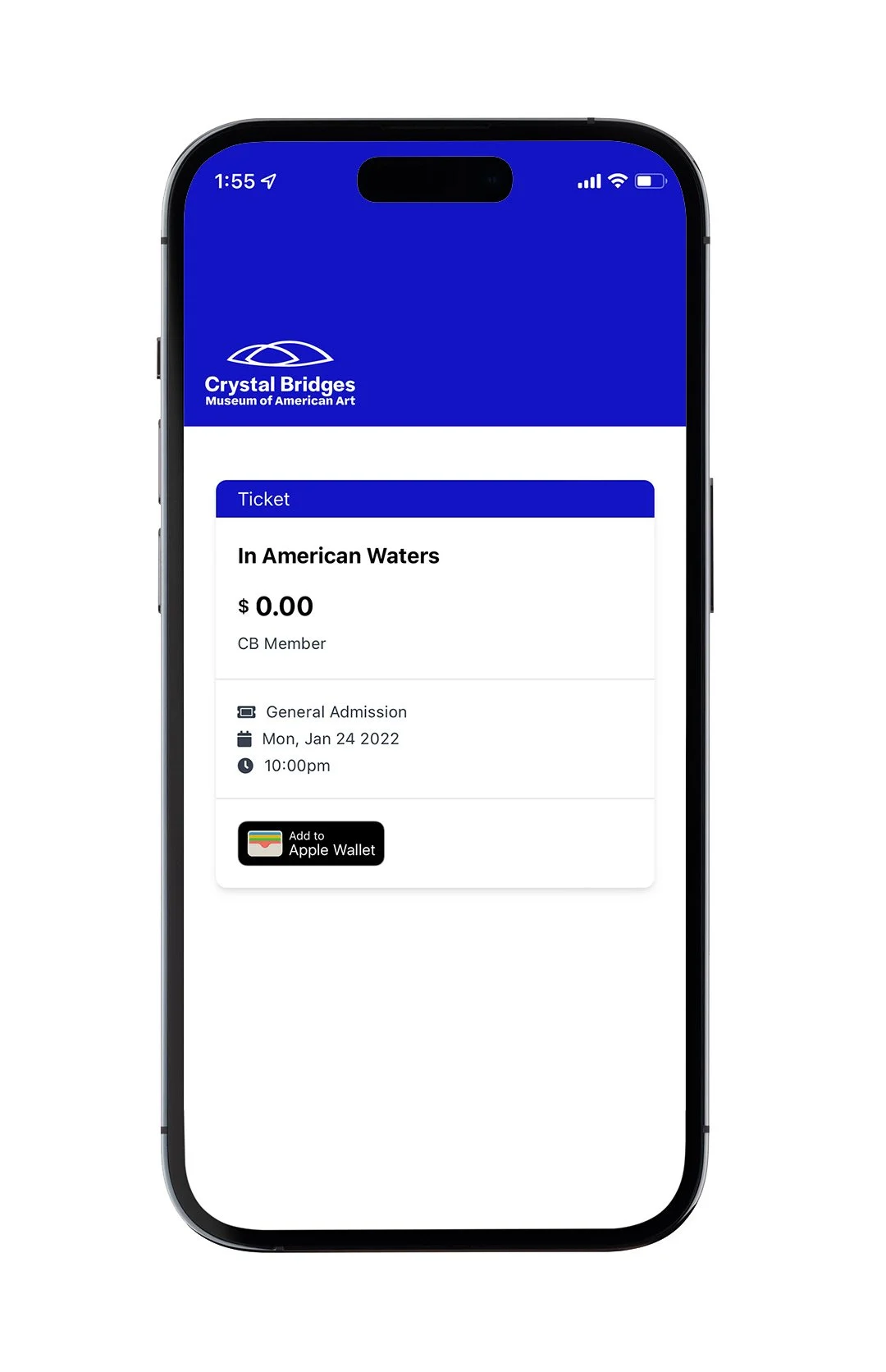
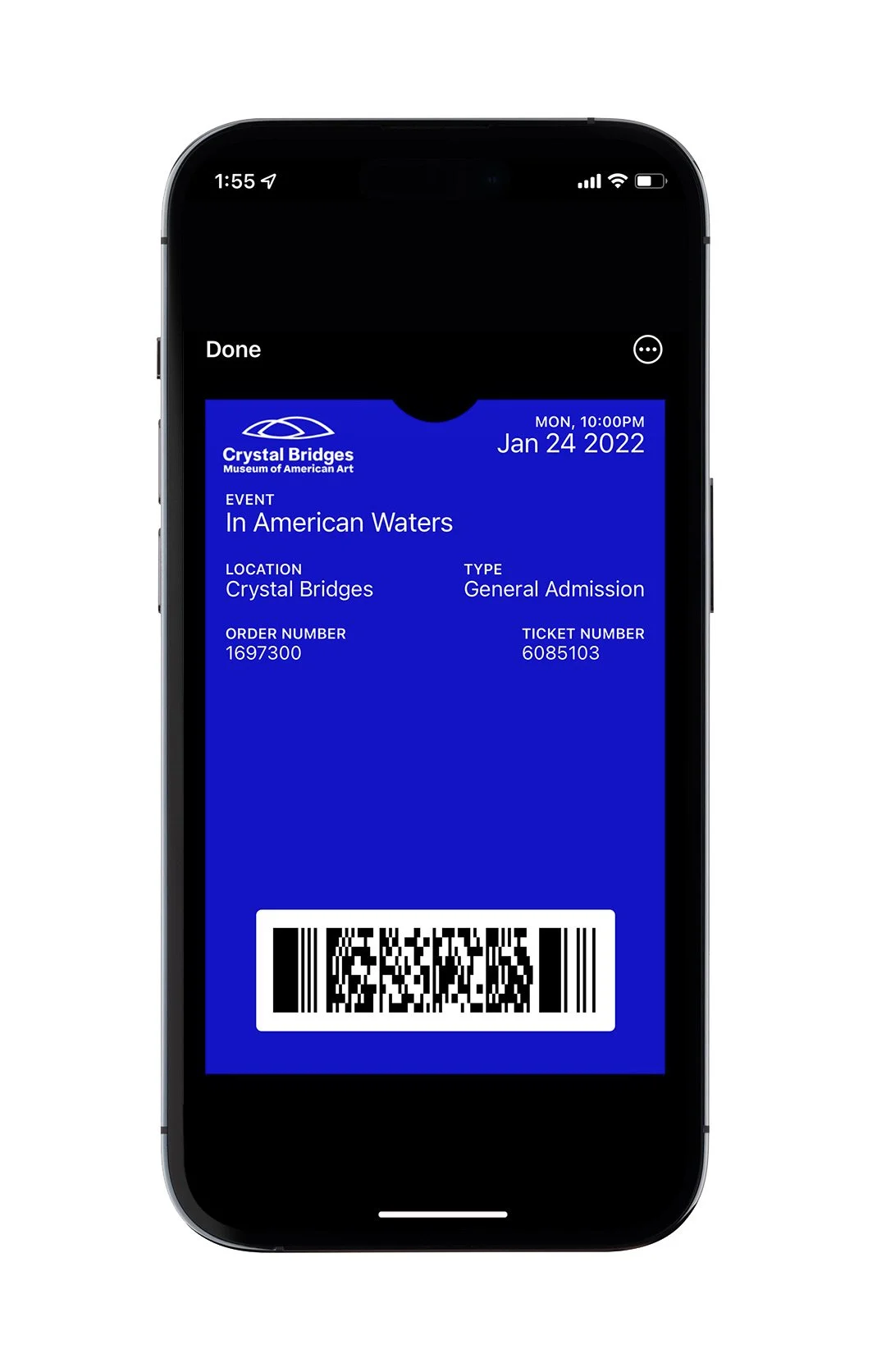
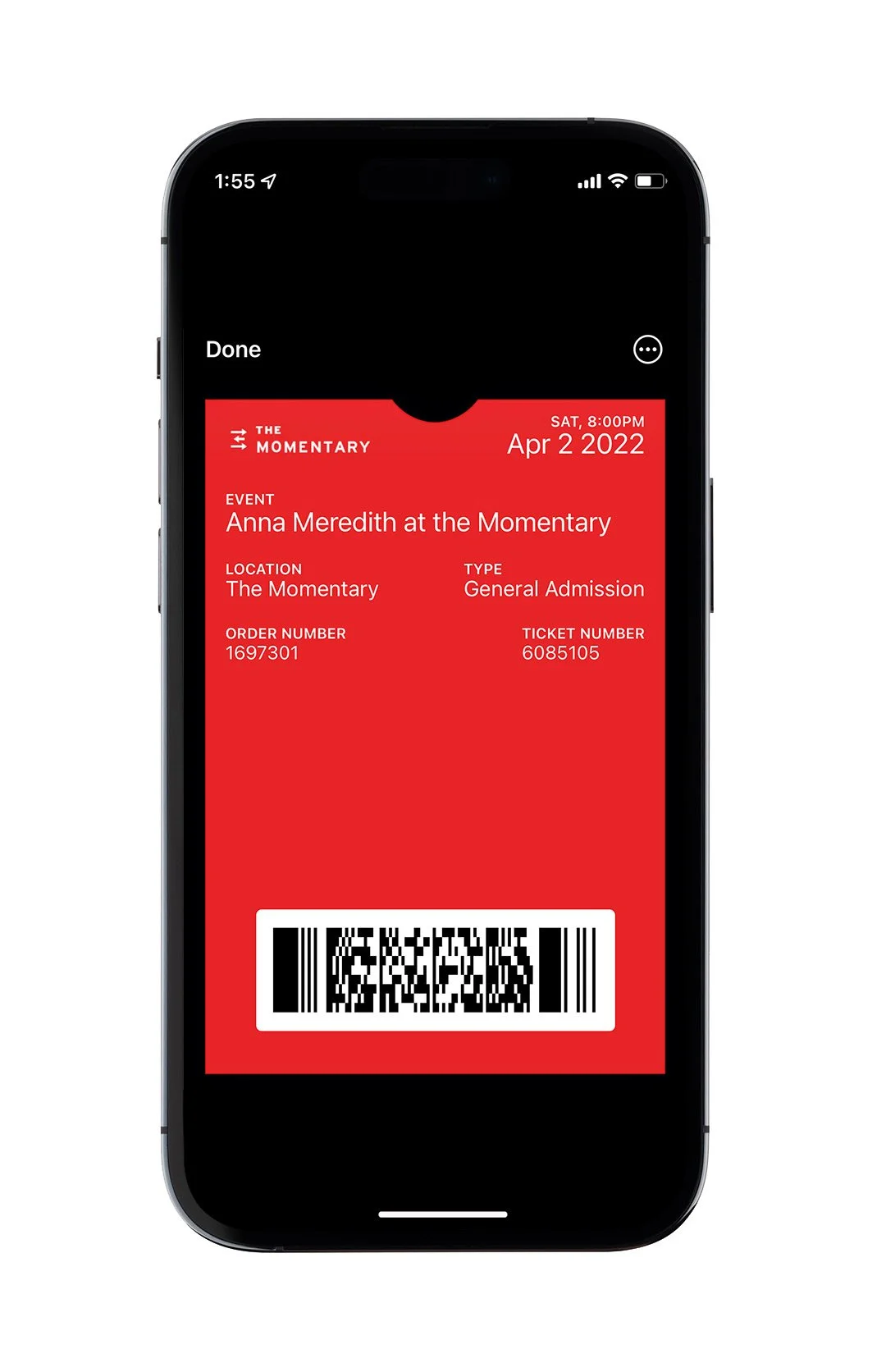
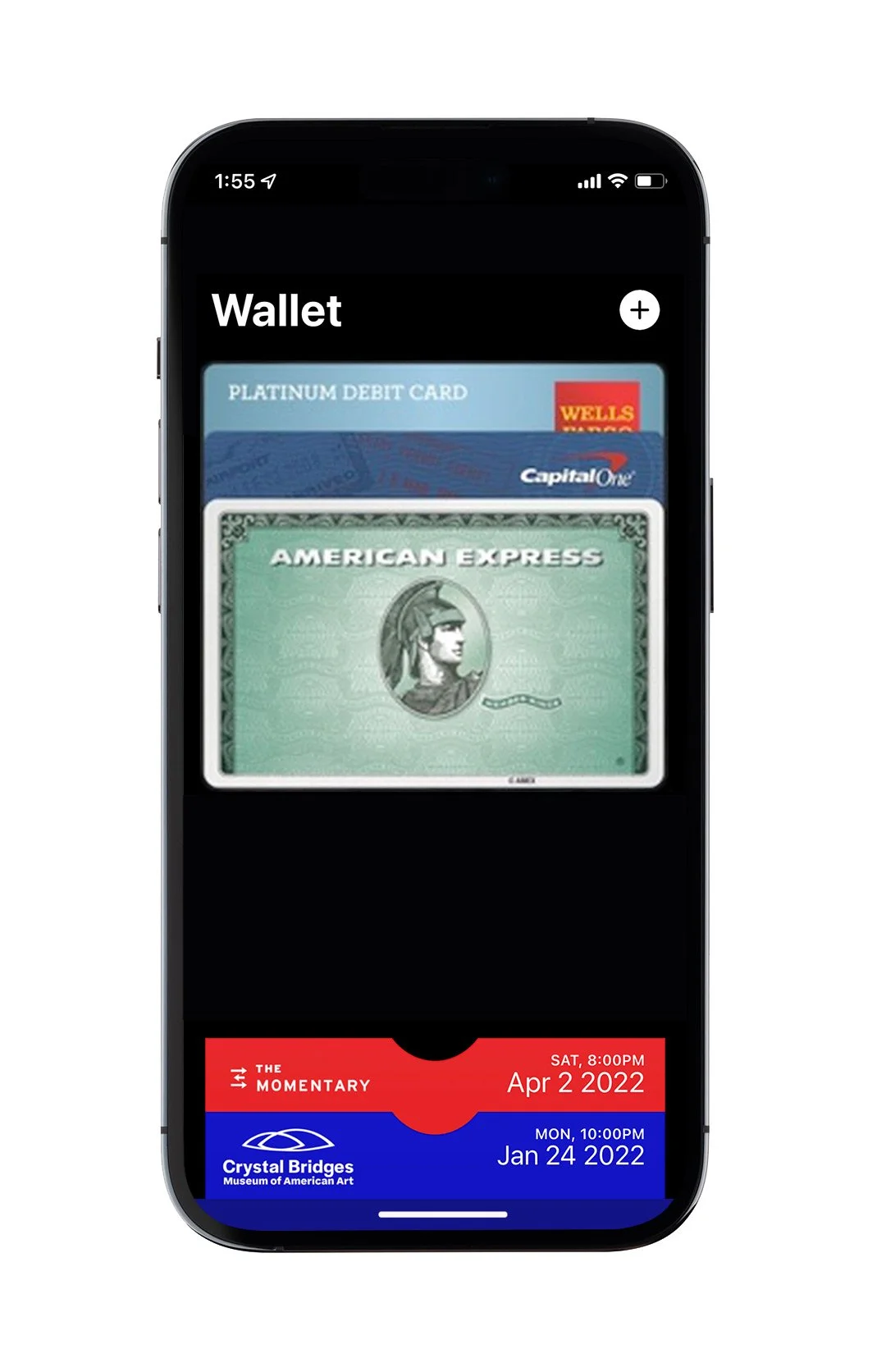
During spring 2022 Crystal Bridges Museum of American Art and The Momentary (CBMO) launched a mobile-first digital wallet ticketing experience that aimed to improve the visitor experience, fulfill the institution's sustainability core pillar and serve as a cost-saving measure during the midst of the COVID-19 pandemic.
As Digital Media Director, I led a cross-functional team spanning several departments across two institutions, and along with our external agency, we built and delivered a digital product on-time and on-budget that bridged multiple systems including Tessitura/TNEW, AWS, CBMO websites and more.


THE BUSINESS CASE
Let’s revisit a chapter of history we’d rather skip: the COVID-19 pandemic.
If you remember this time period, it probably involves flashbacks to masking in public spaces, PCR rapid testing, social distancing and wiping every surface down with disinfectant. We were rethinking everything, from how many guests can safely gather in different areas of indoor galleries and performance spaces to how many times per day to clean door handles, touchscreens, elevator buttons and more, to whether print collateral was safe to re-use or if it had to be trashed after one use.
It was also a time when we pivoted heavily to technology to help us stay in contact and disseminate messaging – everyone got a crash course on leveraging streaming platforms and social media, including how to use Zoom calls to replace in-person meetings, and the right way to use ring lights.
There were business operations considerations as well. Print collateral had a significant impact on the budget when attendance was significantly down from pre-pandemic levels. And at a time when we’d stopped accepting cash for all museum transactions, did it make sense to keep producing (and paying for) printed collateral like tickets and manually scanning them at Guest Services? Sustainability was also a core pillar at CBMO, and creating single-use print deliverables when a digital option can be developed ran against that ideal.


THE BUILD
We got to work. The first step was plotting the visitor and member journey through a decision tree and wireframes with our external digital agency. After approvals, we moved to greenlighting actual renderings while work on the backend was happening concurrently. That involved making sure the Tessitura API, AWS, TNEW and the CBMO website all meshed together, so a visitor who purchased a ticket or renewed a membership on the website would get the option to download their ticket and/or membership card to their digital wallet of choice.
Once these pieces were connected, we tested every path in the decision tree, from a first-time visitor booking free general admission to a member adding a guest pass, and fixed the friction points we found along the way. We also tested other devices visitors might use, aside from smartphones, like smartwatches and tablets. By launch, the digital wallet pass felt like a natural extension of the museum rather than a separate tool bolted on.
EPILOGUE
Plot twist: I left CBMO shortly before launch, so I never got to see the first guest scan their phone at Guest Services. But almost four years later, I get a small dose of nostalgia every time I visit a museum. Adding a ticket to your phone’s wallet has gone from a pandemic workaround to something visitors simply expect. CBMO wasn’t the only cultural institution chasing the boarding pass experience, but we were part of the first wave of museums to bet on it, and we built ours to handle both tickets and membership from day one.


